



You shouldn’t have to “power through” foot pain to look polished at work. The right comfortable office shoes help you move through meetings, commutes, and long days with steadier energy.
- Why Comfort Matters in Professional Office Footwear
- How foot comfort affects focus, posture, and productivity
- Common workplace foot pain and what causes it
- Balancing dress codes with all-day comfort
- Start With Your Workday: Dress Code, Walking Time, and Surfaces
- Corporate, business casual, and creative office expectations
- Commute realities: stairs, sidewalks, transit, and driving
- Office flooring and how it impacts cushioning needs
- Fit First: How to Measure for Comfy Work Shoes
- Key Comfort Features in Cushioned Office Footwear
- Arch support, heel stability, and midfoot structure
- Outsole grip and shock absorption for work shoes
- Toe box space, padding, and anti-blister details
- Weight and flexibility: when “light” beats “stiff.”
- Comfortable Office Shoes: Best Styles for Stylish Workwear
- Loafers and flat office footwear that looks polished
- Block heels and comfortable work heels for daily wear
- Mary Janes, slingbacks, and closed-toe pumps that won’t pinch
- Dress ankle boots as stylish work shoes in cooler seasons
- Choosing Comfortable Work Heels Without Sacrificing Style
- Ideal heel height ranges for comfort and stability
- Heel shapes compared: block, wedge, kitten, and stiletto
- Platforms, insoles, and hidden cushioning that help
- Materials That Make or Break Comfort in Office Footwear
- Leather vs. suede vs. knit: what breathes and what stretches
- Lining quality and why it matters for blister prevention
- How to spot durable materials in stylish office shoes
- Foot Shape Needs: Wide Feet, High Arches, Flat Feet, and Bunions
- What to look for in wide-width professional office footwear
- Support needs for high arches and plantar fascia comfort
- Stability features for flat feet and overpronation
- Bunion-friendly toe boxes and soft uppers
- How to Pick Cushioned Office Shoes for All-Day Standing
- Seasonal Choices: Summer Breathability and Winter Traction
- Warm-weather office shoes that prevent overheating
- Rain-ready soles and water resistance for commuting
- Winter office-appropriate boots and indoor comfort swaps
- Styling Tips: Pairing Stylish Work Shoes With Modern Workwear
- Work shoes with trousers, wide-leg pants, and ankle-lengths
- Office footwear with skirts and dresses: hemline and proportion
- Color planning: black, nude, tan, and statement shades
- Building a capsule shoe wardrobe for the office
- Smart Shopping for Comfortable Work Shoes
- Conclusion
In a workplace, comfort is not just about softness. Smart office footwear provides support, stability, and walkability, and it adheres to your dress code.
In this guide, you’ll use a simple checklist: fit, real arch support, heel geometry, cushioning, breathable materials, and traction you can trust. Just as important, you’ll match your shoes to your actual day, from sidewalk time to office flooring.
Style matters, too. Comfortable office shoes don’t have to look orthopedic, and office footwear can be personal, modern, and put-together.
We’ll start with your schedule and your feet, then break down features, styles, and materials. After that, we’ll cover foot shape needs, all-day standing, seasonal shifts, outfit styling, and smarter shopping.
Why Comfort Matters in Professional Office Footwear
Comfort is key when you’re in meetings, on calls, and busy all day. The right shoes support your pace and mood. This lets you stay focused, not counting down the minutes to take them off.

Choosing comfy work shoes makes your day better. Your steps feel lighter, and you look more confident. You also spend less time dealing with small aches.
How foot comfort affects focus, posture, and productivity
Your feet are your base. If they’re not stable, your body makes adjustments without you noticing.
Bad shoes can make you grip with your toes, shorten your stride, or shift your weight. This can hurt your ankles, knees, hips, and lower back over time.
- Better cushioning reduces impact when walking.
- A stronger midfoot structure helps you stand taller without straining.
- Stable heels prevent wobbling and overwork small muscles.
Common workplace foot pain and what causes it
Office pain often starts with small issues. A shoe might look fine at 9 a.m. but feel sharp by lunch.
- Blisters from rubbing seams, stiff uppers, or a loose heel.
- Forefoot burning from tight toe boxes or too much pressure.
- Heel pain when cushioning is thin or support is uneven.
- Arch fatigue occurs when the midfoot collapses and your foot works overtime.
Comfy work shoes usually solve these problems. They offer room for your toes, a secure heel, a grippy outsole, and a supportive insole.
Balancing dress codes with all-day comfort
Dress codes can be strict, but you can meet them without sacrificing comfort.
Look for shoes with refined shapes and comfort details. They should have realistic heel heights, steady soles, and flexible uppers. When fit and materials are right, comfy shoes can look sharp and feel great all day.
Start With Your Workday: Dress Code, Walking Time, and Surfaces
Before buying new work shoes, take a quick look at your day. The right pair must match your dress code, commute, and floor types. This makes choosing stylish work shoes easier and more comfortable.
Corporate, business casual, and creative office expectations
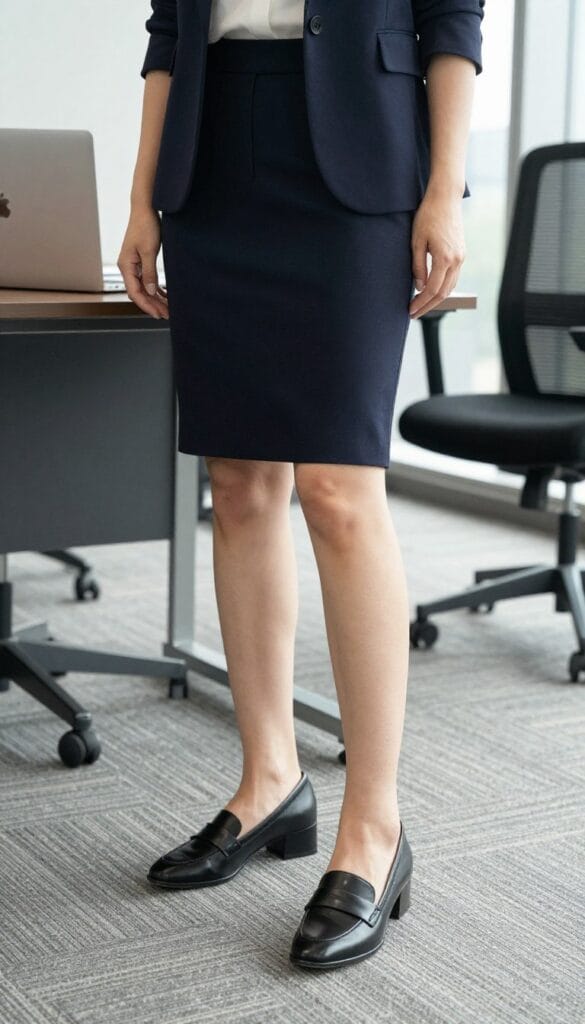
In many corporate environments, the dress code is polished. This means closed-toe, darker neutrals, and simple designs. Look for clean lines, a steady heel, and minimal hardware.
Business casual offers more flexibility. Sleek loafers, refined flats, and low block heels are good choices. Creative offices might allow bolder colors or shapes, as long as they’re well-kept.
Commute realities: stairs, sidewalks, transit, and driving
A good desk shoe might not survive stairs or sidewalks. For daily walks, stairs, or transit, choose shoes with grip, secure heels, and shock absorption. Driving shoes should fit well and not slip on the pedals.
- Lots of walking: prioritize cushioning and a stable heel base.
- Stairs and platforms: look for traction and a heel that doesn’t slip.
- Mixed commute: choose work shoes that feel steady at speed, not just while standing.
Office flooring and how it impacts cushioning needs
Flooring greatly affects comfort. Carpet is softer, but tile, concrete, and thin carpet can be hard. Long hallways or standing meetings can make your feet hurt by the afternoon.
Choose shoes that match your floor. Cushioned midsoles for hard floors, grippy outsoles for slick areas, and enough structure to prevent foot collapse. Stylish work shoes should support you all day.
Fit First: How to Measure for Comfy Work Shoes
Start with your real measurements, not your usual size, to find comfy office shoes. Even the best cushioning can’t make up for a bad fit.
Measure both feet because they might be different sizes. Use the larger foot for your measurements. Measure later in the day when your feet are a bit swollen.
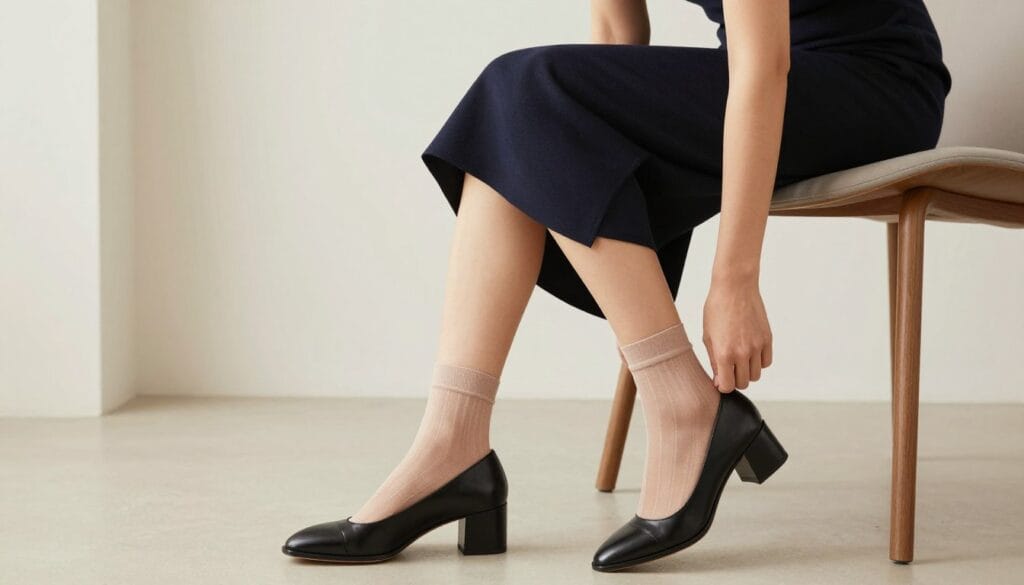
Wear the socks or hosiery you’ll use at work. A thin sock, tights, or a no-show liner can affect comfort, such as in the forefoot.
- Length: Stand up to measure. You need a thumb’s width of space in front of your longest toe for comfort.
- Heel hold: Your heel should fit well, with no slipping. Sizing up might make your toes uncomfortable.
- Toe box: Your toes should have room to spread naturally. If they’re pinched, the shoe is too narrow.
Be honest about your foot width. Wide-width shoes can prevent pressure on your forefoot better than sizing up.
Try shoes on at home before buying. Walk on hard floors and go up and down stairs. Watch for rubbing or hot spots that could lead to blisters.
Remember, sizing changes between brands and styles. When looking for comfy work shoes, focus on fit, not just the size.
Key Comfort Features in Cushioned Office Footwear
When looking for cushioned office shoes, focus on comfort tech. You want support, cushioning, and details that reduce friction. The right shoes should guide your feet, not feel confining.

Arch support, heel stability, and midfoot structure
Begin with the shoe’s center. A sturdy midfoot keeps your foot in line, great for those who wear heels. You need a solid base that doesn’t bend.
- Stable heel counter that holds your heel in place without digging in
- Supportive arch shape that matches your foot instead of pushing too hard
- Guided midfoot so each step feels straight and controlled
Outsole grip and shock absorption for work shoes
Traction is key. Office floors can be slippery, and rainy days make walking tricky. Cushioned office shoes should have a good grip and absorb shock.
- Tread that bites on tile and polished stone
- Cushioning that reduces the “slap” feeling with each step
- A heel that lands smoothly, not sharply
Toe box space, padding, and anti-blister details
Comfort also means controlling friction. Look for roomy toe boxes to avoid pressure. The inside should be smooth and soft.
- Smooth lining with no rough patches where your foot rubs
- Padded collar at the heel to help stop slipping and hot spots
- Seams placed away from pressure points
Weight and flexibility: when “light” beats “stiff.”
Lighter shoes are easier to wear all day. But being too flexible can lack support. Look for shoes that bend at the right places but stay stable.
- Flex at the ball of the foot, not the arch
- Enough structure to prevent wobble on long days
- A lighter build that won’t drain your legs during commutes
Comfortable Office Shoes: Best Styles for Stylish Workwear
You don’t have to “tough it out” to look pulled together. The right silhouettes can read polished at a glance while feeling kind to your feet. Think of stylish office shoes as a toolkit: you pick what matches your day, your pace, and your outfit.

When you shop for comfortable office shoes, focus on the parts that do the real work: a stable sole, soft lining, and room for your toes to relax. Small design choices change how you feel at 3 p.m., not just how you look at 9 a.m.
Loafers and flat office footwear that looks polished
Loafers and refined flats can be stylish office shoes without the end-of-day ache. Look for a supportive insole, plus a secure fit across the instep so your heel doesn’t slip. A slightly almond or round toe helps prevent that squeezed, numb feeling.
If you’re on your feet a lot, choose soles with light cushioning and a bit of flex at the ball of the foot. A firmer midfoot can also help keep you steady on hard office floors.
Block heels and comfortable work heels for daily wear
Block heels are often the easiest way into comfortable office shoes that look sharp with tailored pants. A wider heel base gives better stability and spreads your weight more evenly. That can mean less pressure on the forefoot during long meetings or a walk to lunch.
Keep the heel height reasonable for your commute, and pay attention to how the heel feels on concrete, not just carpet. Many stylish office shoes look sleek because the upper is clean, not because the heel is tall.
Mary Janes, slingbacks, and closed-toe pumps that won’t pinch
Mary Janes and slingbacks can feel surprisingly secure when the straps are placed well. Aim for straps that stabilize without digging, and consider elastic goring that moves with you. For closed-toe pumps, a slightly round or almond toe usually gives more breathing room than a sharp point.
Also check for cushioning under the ball of the foot, where pressure builds fastest. These details help comfortable shoes stay comfortable when you’re standing, presenting, or moving between floors.
Dress ankle boots as stylish work shoes in cooler seasons
Dress ankle boots are stylish office shoes that add coverage and warmth without looking heavy. A steady heel and a shaft that doesn’t rub your ankle make a big difference, especially if you walk from parking or public transit. For commuting, outsole grip matters more than you think on wet sidewalks.
Try them with straight-leg trousers or midi skirts for a clean line. With the right fit and traction, comfortable office shoes can include boots that feel as practical as they look polished.
Choosing Comfortable Work Heels Without Sacrificing Style
Heels can be a smart choice for work. The key is to make comfort a priority. Look for shoes that balance comfort with style.

Ideal heel height ranges for comfort and stability
A low-to-mid heel is often the best for long hours. Think about how much walking you do at work. A modest heel can look good and feel natural.
- Low heels tend to feel grounded and easy to control, even on stairs.
- Mid heels can work well if the shoe feels centered and doesn’t push your toes.
- Very high heels often increase pressure on your toes and can get tiring fast.
Heel shapes compared: block, wedge, kitten, and stiletto
Heel shape is as important as height. A block heel is usually steadier because it’s wider. Wedges spread pressure but might feel bulky.
Kitten heels are dressy and have a small lift. Stilettos focus pressure in a small area, making them less forgiving for all-day wear.
Platforms, insoles, and hidden cushioning that help
The best comfort upgrades are often hidden. Subtle platform shoes can reduce the angle of your foot. Supportive insoles and built-in padding can make each step softer.
When trying on shoes, check for stability. Your heel should feel secure, and your foot should be centered. If you feel sliding or gripping with your toes, the fit might be wrong, even if the heel looks good.
Materials That Make or Break Comfort in Office Footwear
When you’re looking for office shoes, the material is key. It impacts how breathable, stretchy, and supportive they are. Plus, it affects their look at 4 p.m. Choosing wisely can keep your feet happy and your outfit sharp.

Leather vs. suede vs. knit: what breathes and what stretches
Leather shapes to your foot over time, making shoes feel custom. It’s flexible yet structured, mainly around the midfoot. Choose leather that’s smooth, not stiff.
Suede is soft at first, but it shows wear quickly, like at the toe and heel. It can also get spots and darken in wet weather. Use a protective spray and brush it often to keep it looking good.
Knit shoes breathe well and move with you, great for warm days. But they might lack support unless reinforced. A sleek design and minimal branding can make them office-friendly.
Lining quality and why it matters for blister prevention
Lining is a big deal in office shoes. Rough seams and stiff edges cause friction, leading to blisters. Even a stylish shoe can fail if the lining is uncomfortable.
Check the lining before buying. Look for smooth seams and a clean finish. This ensures your foot glides, not rubs.
How to spot durable materials in stylish office shoes
You can quickly check a shoe’s durability, even in a busy store. Look for these signs to ensure the shoes stay sharp all week.
- Even stitching with no loose threads, mainly at the ball of the foot
- Sturdy heel counters that don’t collapse when pressed
- Quality outsole rubber with some grip, not slick plastic
- Clean interior seams that look neat, not jagged
Also, consider how easy the shoes are to clean. Materials that mark easily can look worn out fast. Choose shoes that are easy to clean and look intentional.
Foot Shape Needs: Wide Feet, High Arches, Flat Feet, and Bunions
Your foot shape is not a problem—it’s a clue. Choosing the right work shoes can make your day better. You want shoes that support your feet well and feel comfortable.

What to look for in wide-width professional office footwear
Wide feet need shoes made for them, not just bigger sizes. Shoes that are too long can cause your heel to slip. This leads to discomfort and a stiff walk.
Look for shoes with a roomy toe box and a supportive upper. They should also have a stable base to keep you balanced.
- Forefoot space that lets toes rest flat, not stacked
- Secure heel fit so you don’t grip with your toes
- Structured sides that hold the foot without pinching
Support needs for high arches and plantar fascia comfort
High arches take more pressure with each step. Shoes with a shaped arch can help. They also need to be cushioned to soften the impact.
Check how the arch feels after standing for a bit. It should feel supported, not tight or uncomfortable.
Stability features for flat feet and overpronation
Flat feet often need more stability than softness. Look for shoes with a firm midfoot and a supportive heel counter. The sole should also be stable to prevent wobbling.
- Defined midfoot structure for steadier steps
- Heel counter support to reduce side-to-side drift
- A wide, stable base that resists collapsing inward
Bunion-friendly toe boxes and soft uppers
Bunions need room and a soft touch. Choose shoes with wider, rounder toe boxes and soft uppers. Cushioned shoes with minimal seams near the big toe joint can help.
Don’t wait for shoes to break in if they feel tight. Pressure points usually don’t go away if the fit is wrong.
How to Pick Cushioned Office Shoes for All-Day Standing
If you teach, work at a reception desk, run events, or handle healthcare administration, you know standing comfort is key. Standing for hours means absorbing impact and shifting weight. Cushioned office shoes help by softening hard floors and keeping your body aligned.

First, check the cushioning under your heel and forefoot. You need cushioning in both areas, not just the heel. A good insole should support your foot from the start and stay supportive all week.
- Substantial heel and forefoot cushioning to reduce impact on tile, concrete, and thin carpet over slab
- A supportive insole that holds its shape instead of compressing fast
- A stable base with a broad outsole and a steady heel that doesn’t wobble
- A secure upper so your foot doesn’t slide forward and jam your toes
Be careful of very soft foam. It might feel great at first, but it can become unstable. Look for shoes that are soft enough to cushion but structured enough to support your foot.
To make your shoes last, rotate them regularly. This lets the cushioning recover. If your shoes have removable footbeds, add supportive insoles that fit your arch. Keep blister protection handy for the first few wears.
Do a quick test at home. Stand in the shoes for 10 minutes on a hard surface. Pay attention to any discomfort. If you feel pain, you might need more cushioning or support.
Seasonal Choices: Summer Breathability and Winter Traction
When the weather changes, so does your routine. This includes your commute, sidewalks, and even the office temperature. Choosing the right work shoes for each season keeps you comfortable and professional.

Warm-weather office shoes that prevent overheating
In summer, the heat can build up quickly, making closed-toe shoes uncomfortable. Look for shoes with breathable uppers, light linings, and moisture-managing footbeds. These features help keep your feet cool and dry.
For those who swell in warm weather, a roomier toe box is essential. A smooth interior lining also helps prevent blisters. Your work shoes should feel comfortable, not tight or sticky.
Rain-ready soles and water resistance for commuting
Rain highlights the importance of traction. Even office shoes need a good grip on wet sidewalks and stairs. Choose shoes with a refined tread and water-resistant uppers to keep them clean.
Here’s a quick checklist for rainy days:
- Grippy outsole with defined texture
- Water-resistant upper that wipes clean
- Stable heel that won’t skid on wet tile
- Protective edge around the sole to slow soaking
Winter office-appropriate boots and indoor comfort swaps
Winter requires shoes with traction and insulation. But they should also look good with your outfits. Look for boots with a slim profile and matte finish.
Consider swapping shoes indoors. Wear weather-ready boots to work and change into dress shoes at your desk. This keeps your feet warm and comfortable all day.
Styling Tips: Pairing Stylish Work Shoes With Modern Workwear
Feeling comfortable is even better when you look good. With a few simple tips, stylish office shoes can be both current and practical for a real workday.

Work shoes with trousers, wide-leg pants, and ankle-lengths
With straight or slim trousers, a sleeker toe can stretch your line and keep things sharp. Wide-leg pants benefit from a slightly chunkier sole, balancing volume and keeping your look grounded.
Ankle-length hems are great because they let the shoe do the styling. Loafers, Mary Janes, and clean ankle boots look polished here, perfect when the pant break is minimal and intentional.
Office footwear with skirts and dresses: hemline and proportion
Hemline sets the mood. Closed-toe pumps and slingbacks are refined with knee-length and midi skirts, keeping your outfit tailored even on busy days.
As the weather cools, ankle boots add structure under midi lengths and sweater dresses. For fuller skirts, choose a more streamlined boot shape to avoid a heavy look.
Color planning: black, nude, tan, and statement shades
Begin with a practical core: black, nude, and tan. These shades work well with most workwear and make stylish work shoes easy to rotate.
Add one controlled statement shade that coordinates with your closet. Think deep burgundy, forest green, or navy. It adds personality to your shoes while staying office-appropriate.
Building a capsule shoe wardrobe for the office
A small lineup can cover most weeks if it matches your commute and most-worn outfits. Aim for a mix that keeps you comfortable, looks intentional, and supports your pace.
- A polished flat or loafer for long meetings and lots of walking
- A walkable heel with steady balance for presentations and dressier days
- A season-ready boot for rain, cold mornings, and slippery sidewalks
When your shoes match your life, getting dressed is simpler. Stylish work shoes can be both practical and expressive, letting you show up focused and fully yourself.
Smart Shopping for Comfortable Work Shoes
Shopping for comfortable work shoes is easier when you take your time. Don’t rush into buying. Check the return policy and keep the packaging. This way, you avoid buying shoes that look good but feel bad.
Try-on timing matters. Try on shoes at the end of the day when your feet are swollen. Walk on a hard surface, not carpet, to feel the shoe’s impact.

- Outsole traction: check grip and tread depth for stability on slippery floors.
- Heel stability: Press the heel counter to ensure it’s stable.
- Interior seams: check for rough stitching that can cause discomfort.
- Removable insoles: useful for custom orthotics or extra cushioning.
Setting a budget is important. Quality shoes might cost more, but they last longer. This saves money in the long run.
Watch for sales and shop off-season. Buying boots in late winter or early spring can save you money. Keep your shoes in good condition with weather spray, conditioner, and fresh heel tips.
Comfort is essential. The right shoes make you move better, stand taller, and have more energy at the end of the day.
Conclusion
The best comfortable office shoes are based on your real day, not dreams. Think about your dress code, how far you walk, and what you walk on. Matching your shoes to your commute and schedule makes getting dressed easier.
Fit is key. Measure both feet, ensure your toes have room, and look for a stable heel and supportive midfoot. Smart cushioning and grip are important, too, for moving between different surfaces.
Materials matter a lot. Choose breathable uppers, smooth linings, and durable soles to avoid blisters and sore spots. Pick styles that fit your life, like loafers, block heels, refined pumps, or ankle boots, for all seasons. Brands like Clarks, Ecco, and Naturalizer are known for offering a variety of these styles.
Use this guide as a simple checklist when shopping for office shoes. When your shoes feel good, you show up differently. You become more confident, present, and like yourself. Comfort and style can go hand in hand.