




You want a bedtime routine that pays off by morning. A hydrating night cream should leave skin soft, calm, and plump. We’ll help you choose between gel and cream textures.
- What Makes a Night Cream Hydrating and Effective
- How occlusives, humectants, and emollients work overnight
- Transepidermal water loss and skin barrier support
- Why nighttime is prime time for skin repair
- Gel Versus Cream: Texture, Absorption, and Finish
- Lightweight gel textures for a breathable feel
- Rich cream textures for deep moisturization
- Finish preferences: dewy, satin, or matte overnight
- Key Ingredients: Hyaluronic Acid, Ceramides, Glycerin, and More
- Hydrating night cream with hyaluronic acid: multi-weight HA benefits
- Ceramides and cholesterol for barrier repair
- Glycerin, panthenol, and aloe for steady hydration
- When to add squalane, shea butter, or jojoba
- Best Options for Skin Types: Oily, Dry, Combination, and Normal
- Hydrating Night Cream for Sensitive Skin: What to Avoid and What to Use
- Fragrance-free and alcohol-free priorities
- Calming actives: niacinamide, allantoin, oat, bisabolol
- Patch testing and barrier-first routines
- Natural Hydrating Night Cream Choices
- When Gels Win: Climate, Lifestyle, and Skin Concerns
- Hot, humid environments and sweat-prone skin
- Acne-prone or congestion-prone users
- Layering under retinoids or actives without heaviness
- When Creams Win: Barrier Repair and Overnight Comfort
- Cold, dry climates and indoor heating
- Compromised barriers and eczema-prone skin
- Reducing flaking from exfoliants and retinoids
- Hydrating Night Cream Routine: How to Layer for Maximum Results
- Cleanse, mist or essence, serum, then moisturizer.
- Slugging and occlusives: when and how to use
- Timing with retinol, acids, and prescription treatments
- Moisturizing Night Cream vs Hydrating Face Cream: What’s the Difference
- Hydration vs moisturization explained.
- Choosing based on current skin needs
- Hybrid formulas that deliver both
- Dermatologist-Backed Tips to Choose the Best Hydrating Night Cream
- Reading ingredient lists and concentrations
- Non-comedogenic, allergy-tested, and pH considerations
- Adjusting by season and hormonal changes
- Top Mistakes to Avoid with Night Creams
- Conclusion
This is your friendly roadmap. We’ll explain how a hydrating face cream locks in water. You’ll learn about ingredients like hyaluronic acid and glycerin.
I’ve tested both light gels and rich creams. They work well in different weather. You’ll find the right one for your needs.
Wake up to smoother texture and a healthy sheen. Let’s find the hydrating night cream that fits your skin and schedule.
What Makes a Night Cream Hydrating and Effective
A good night cream does more than just feel nice. It pulls in water, smooths out rough spots, and keeps it all in until morning. When I use a hydrating night cream, my skin wakes up soft, even, and calm.

How occlusives, humectants, and emollients work overnight
Humectants like hyaluronic acid and glycerin pull water into the skin’s outer layer. Emollients, such as squalane and triglycerides, fill gaps for smooth skin. Occlusives, like petrolatum and dimethicone, create a seal to slow down water loss.
Combining these ingredients makes a night cream more than just a moisturizer. It becomes a treatment that cushions, glides, and balances water while you sleep.
Transepidermal water loss and skin barrier support
Transepidermal water loss (TEWL) is when water escapes through the skin. It often increases at night as body temperature and permeability rise. That’s why a hydrating night cream should have both humectants and barrier helpers.
Your skin’s barrier is made of corneocytes and lipids, like ceramides and fatty acids. A strong barrier keeps hydration in and irritants out, helping a night cream work better.
Why nighttime is prime time for skin repair
At night, skin starts to repair itself. Blood flow improves, cortisol levels drop, and there’s no UV or pollution to fight. This quiet time lets a night cream work without daytime stress.
With fewer distractions, a night cream can layer actives and moisture effectively. This makes skin look plumper and feel soothed by morning.
| Component | Main Role | Common Examples | Benefit Overnight |
|---|---|---|---|
| Humectants | Attract water to the stratum corneum | Hyaluronic acid, glycerin, panthenol | Immediate plumpness and reduced tight feel |
| Emollients | Soften by filling lipid gaps | Squalane, triglycerides, shea butter | Smooth texture and flexible finish |
| Occlusives | Slow TEWL with a breathable seal | Petrolatum, dimethicone, lanolin | Locks in hydration until morning |
| Barrier Lipids | Reinforce the skin’s protective layer | Ceramides, cholesterol, fatty acids | Stronger defense and lasting moisture |
Gel Versus Cream: Texture, Absorption, and Finish
Choosing a night cream is like picking fabric. Gels are like lightweight chiffon, while creams are like soft cashmere. Both can hydrate your skin, but their texture affects how you feel and look in the morning.
If you’re looking for the best hydrating night cream, think about your skin and how you want to wake up. Do you want to feel fresh, cushioned, or something in between?
Lightweight gel textures for a breathable feel
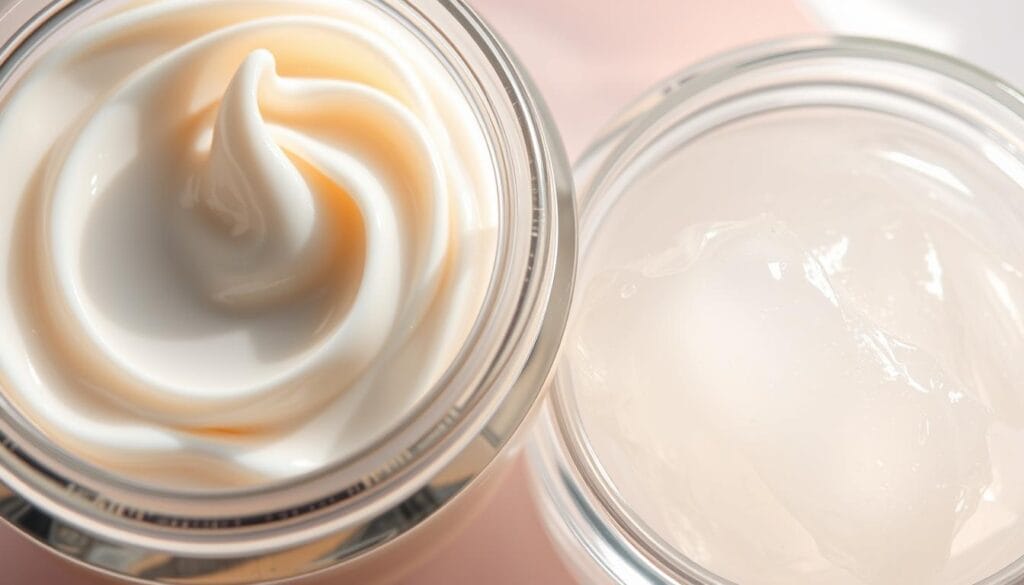
Gels are water-based and absorb quickly. They use ingredients like hyaluronic acid to pull in moisture without feeling heavy. This makes them great for hot nights or after working out.
Opt for a gel face cream if you want hydration that won’t clog pores. Many gels leave a soft-matte or satin finish, perfect for those who wear makeup the next day.
Rich cream textures for deep moisturization
Creams mix water with oils for extra moisture. They help keep your skin soft and prevent water loss at night. This is especially good for dry skin or when using products that dry out your skin.
For dry skin in the morning, try a night cream with ceramides and squalane. They offer extra barrier support.
Finish preferences: dewy, satin, or matte overnight
The finish you prefer can help you choose your night cream. Gels usually dry to a satin or soft-matte finish, controlling shine. Creams leave a dewy look, showing they’re moisturizing your skin well.
Do you wake up with oily skin or spots? You might have chosen something too rich. Wake up with dry skin? A cream or gel with a thin occlusive might be better. Finding the right balance is key to the best night cream for you.
| Texture Type | Feel & Absorption | Best For | Typical Finish | When to Choose |
|---|---|---|---|---|
| Gel hydrating face cream | Cooling, quick sink-in, weightless | Humid climates, oily or combination skin | Satin to soft-matte | When you want breathable hydration and minimal residue |
| Cream hydrating night cream | Plush, cushioned, slower absorption | Dry air, indoor heating, retinoid users | Dewey to luminous | When you need stronger barrier support and comfort |
| Hybrid gel-cream (best hydrating night cream candidates) | Light glide with soft cushion | Normal to combo skin, four-season routines | Natural satin | When you want balanced hydration without heaviness |
Key Ingredients: Hyaluronic Acid, Ceramides, Glycerin, and More
You want a hydrating night cream that quenches now and supports tomorrow. The best ones mix humectants, barrier lipids, and soothing agents. This way, your skin wakes up calm, smooth, and plush.

Hydrating night cream with hyaluronic acid: multi-weight HA benefits
Multi-weight hyaluronic acid targets different layers. High molecular weights sit at the surface to cushion fine lines. Mid-weight holds water in the upper layers. Low weights draw moisture deeper for lasting bounce.
A hydrating night cream with hyaluronic acid pairs best with water-binding allies like glycerin. This keeps the reservoir full.
Ceramides and cholesterol for barrier repair
Ceramides—look for Ceramide NP, AP, or EOP—work with cholesterol and fatty acids to rebuild the lipid matrix. This trio helps reduce transepidermal water loss. So, your hydrating night cream can seal in benefits.
When the barrier feels stable, skin looks softer, less tight, and more even by morning.
Glycerin, panthenol, and aloe for steady hydration
Glycerin is a gold-standard humectant that constantly pulls water to the skin. Panthenol, also called provitamin B5, soothes and supports comfort. Aloe adds lightweight hydration with calming polysaccharides.
Together, they keep a hydrating face cream dewy without greasiness. This is ideal for nightly use across seasons.
When to add squalane, shea butter, or jojoba
If flaking or tightness lingers, enrich your hydrating night cream with squalane for silk slip, shea butter for plush cushioning, or jojoba to mimic natural sebum. These emollients soften rough spots and curb water loss.
For extra support, antioxidants like vitamin E, green tea, and signal peptides can nudge repair while you rest.
Tip from my own routine: I layer a serum, then press in a hydrating night cream on slightly damp skin. The texture stays breathable, yet my cheeks feel smoother by sunrise.
Best Options for Skin Types: Oily, Dry, Combination, and Normal
Your skin type affects how a night cream should feel and work. Choose textures that match your skin’s oil and dryness levels. Adjust as the seasons change or when using retinoids. Always test a small area first and avoid strong fragrances or drying alcohols if your skin is sensitive.
Quick note: If you use retinol or tretinoin, pair a gel with a light occlusive or reach for a richer cream to buffer potential peeling.
Night cream for dry skin: richer emollient-focused creams
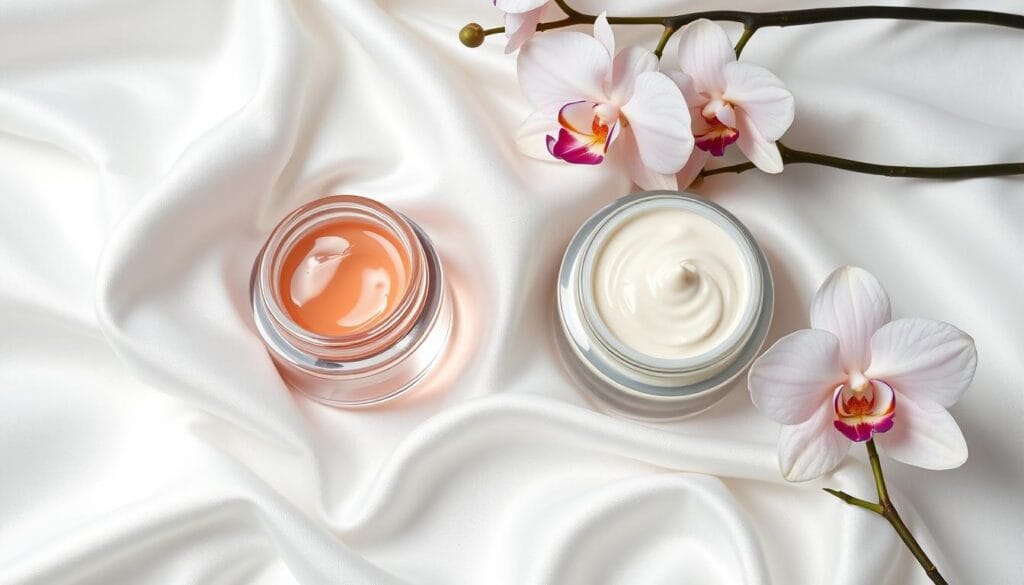
Dry skin loves creams with ceramides, cholesterol, squalane, and shea butter. These creams seal in moisture and reduce tightness by morning. Look for mid- to high-weight textures that melt in without leaving a waxy residue.
Apply serum first, then the best hydrating night cream while your skin is slightly damp. Press gently, not rub, to avoid flaking.
Oily and acne-prone: non-comedogenic hydrating gels
Opt for light gels with hyaluronic acid, glycerin, and caprylic/capric triglyceride. These hydrate without clogging pores, keeping them clear and calm. Avoid heavy occlusives at night if they feel too heavy or cause shine.
When breakouts happen, a hydrating gel keeps your skin balanced while treatments like salicylic acid work.
Combination skin: strategic layering and zone care
Use a breathable gel on your T-zone and a cream on your cheeks that get flaky. You can also try a hybrid moisturizer and tap a thin occlusive on dry patches only. This targeted approach keeps makeup smooth and helps the barrier stay even.
On retinoid nights, add a dab of cream over gel on the corners of the mouth and nose folds to prevent peeling.
Normal skin: maintenance with balanced formulas
Stick with mid-weight blends that pair humectants and light emollients. A balanced hydrating night cream keeps tone even and texture soft without grease. If the air turns dry, layer a mist or essence before your favorite pick.
Rotating textures by season helps you keep the best hydrating night cream in steady rotation without shocking your skin.
- Dry: Ceramides + shea + squalane for cushion and seal.
- Oily: Non-comedogenic gels with hyaluronic acid and glycerin.
- Combination: Gel for T-zone, cream for cheeks, add occlusive only where needed.
- Normal: Mid-weight formulas that balance water and lipids.
Hydrating Night Cream for Sensitive Skin: What to Avoid and What to Use
If your skin gets upset easily, you need a gentle approach. Pick a night cream that protects and soothes your skin while you sleep. Keep your skincare simple to ensure each step works well together.
Fragrance-free and alcohol-free priorities
Check the label for fragrance-free products and avoid essential oils if you’re sensitive. Stay away from drying alcohols like SD alcohol denat., as they can irritate. Opt for a night cream with gentle ingredients that won’t dry out your skin.
Calming actives: niacinamide, allantoin, oat, bisabolol
Look for niacinamide at 2–5% to help your skin’s barrier and reduce redness. Allantoin makes your skin feel smooth and soft. Colloidal oatmeal helps with itchiness and irritation. Bisabolol, from chamomile, calms stressed skin, making your night cream more effective.
Patch testing and barrier-first routines
Always do a patch test on your jawline for 3–4 nights before using a new product. Start with a gentle cleanser, then apply a soothing serum. Finish with your night cream. On tough days, use more lipids and keep your routine simple. A good hydrating face cream can be enough for gentle care.
Natural Hydrating Night Cream Choices
You want a gentle routine that still delivers deep moisture overnight. A natural hydrating night cream can feel lush yet breathable. It leaves skin soft by morning. Look for clear labels, balanced textures, and ingredients that support your barrier without heavy residue.
Think of this as quiet care while you sleep. A well-made hydrating night cream cushions the skin with lipids. It draws in water with plant-based humectants. If you prefer a lighter feel, choose a hydrating face cream that absorbs fast yet keeps a dewy finish.
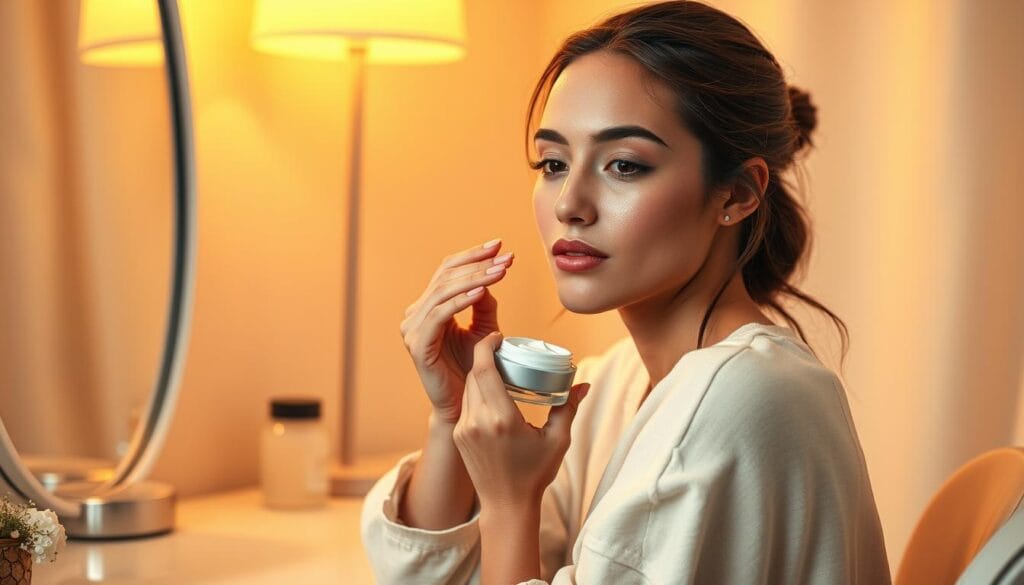
Plant oils and butters: squalane, rosehip, shea
Sugarcane-derived squalane sinks in quickly and mimics your skin’s natural lipids. Rosehip seed oil—rich in linoleic acid and provitamin A carotenoids—helps soften texture with a refined glow. Fair-trade shea butter adds cushion for a nurturing, natural, hydrating night cream that resists overnight dryness.
Botanical humectants: aloe, honey, tremella
Aloe vera juice soothes as it hydrates. Honey is a classic humectant that binds water and smooths rough spots. Tremella mushroom, often called a botanical analog to hyaluronic acid, offers a plush, springy feel in a hydrating night cream or a lightweight hydrating face cream.
Clean-label considerations and certifications
“Clean” varies by brand, so read panels with care. Certifications such as USDA Organic, ECOCERT/COSMOS, and Leaping Bunny (cruelty-free) add assurance. If you’re scent-sensitive, seek fragrance-free options and always patch test—natural doesn’t guarantee gentler, especially with essential oils.
| Natural Ingredient | Primary Role | Skin Feel | Best For | Notes |
|---|---|---|---|---|
| Squalane (sugarcane) | Emollient lipid support | Silky, weightless | All skin types | Fast-absorbing; ideal for a hydrating face cream |
| Rosehip Seed Oil | Brightening, barrier nourishment | Light, satin | Combination to dry | Rich in linoleic acid and carotenoids |
| Shea Butter (fair-trade) | Occlusive comfort | Rich, cocooning | Dry or tight-feeling skin | Locks in moisture in a natural hydrating night cream |
| Aloe Vera Juice | Botanical humectant | Cooling, fresh | Sensitive or reactive | Pairs well with glycerin for lasting slip |
| Honey | Water-binding, smoothing | Soft, cushiony | Normal to dry | Supports a plump finish in a hydrating night cream |
| Tremella Mushroom | HA-like hydration | Dewey, bouncy | Dehydrated skin | Lightweight yet high water retention |
| Niacinamide (vitamin B3) | Barrier and tone support | Soft-matte | Oily to combination | Balances oils in a hydrating face cream |
| Colloidal Oat | Calming, soothing | Comforting | Redness-prone | Complements fragrance-free formulas |
Expect rich yet elegant textures from a natural hydrating night cream built on these botanicals. Choose what suits your climate, your tolerance for scent, and the finish you love—dewy, satin, or softly matte—so your skin wakes up balanced and calm.
When Gels Win: Climate, Lifestyle, and Skin Concerns
On hot nights, you want something light but still hydrating. A gel-based night cream is perfect. It’s easy to apply, absorbs quickly, and leaves your skin balanced by morning.

Hot, humid environments and sweat-prone skin
In humid weather, water-gel textures are a breath of fresh air. They prevent that sticky feeling. Look for ingredients like glycerin, panthenol, and aloe to keep your skin hydrated without excess shine.
Many find the best night cream for summer is oil-free and won’t clog pores. This helps your makeup stay in place the next day.
Acne-prone or congestion-prone users
If you get breakouts, lighter gels are a good choice. They don’t clog pores like heavy creams can. Look for labels that say “non-comedogenic” and “fragrance-free.” Niacinamide can also help soothe redness.
A gel night cream keeps your skin hydrated while helping it look clearer over time.
Layering under retinoids or actives without heaviness
Retinol, benzoyl peroxide, and exfoliating acids work well with light gels. Apply your actives first, then use a gel to protect your skin. This way, you avoid the tightness that can come with these products.
In your night cream routine, use a gel for your whole face. Then, spot-apply ointment to dry spots. This makes a gel the best choice for nights when you’re using active products.
When Creams Win: Barrier Repair and Overnight Comfort
When it gets cold and dry, creams are better than gels. They protect your skin, keep it moist, and make it soft. It’s like wearing a blanket that makes your skin glow in the morning.
Cold, dry climates and indoor heating
Winter winds and central heat dry out your skin fast. Use a cream with petrolatum or shea butter to keep moisture in. It leaves your skin dewy or satin by bedtime.
For a lighter feel, warm a small amount in your hands. Then, gently press it into your skin. This keeps your face cream comfortable, even under thick blankets.
Compromised barriers and eczema-prone skin
When your skin barrier is weak, use ceramides and fatty acids. Add colloidal oatmeal and panthenol to calm redness. A fragrance-free cream helps avoid flare-ups and makes your skin smooth.
Apply the cream on damp skin to lock in moisture. If you get breakouts, use a lighter cream on your T-zone. Keep the richer cream for your cheeks and jaw.
Reducing flaking from exfoliants and retinoids
To soften peeling skin, use a thin cream, then your active, and finally a richer cream. This method protects your skin without dulling your results.
Go for a soft sheen at night. By morning, your skin will feel smooth and ready for makeup. This shows your night cream worked well.
| Skin Scenario | Why Creams Win | Key Ingredients | Finish Goal | Application Tip |
|---|---|---|---|---|
| Cold weather or indoor heating | Slows water loss and locks in moisture | Petrolatum, shea butter, glycerin, hyaluronic acid | Dewey to satin | Press a pea-sized layer over damp skin |
| Compromised or eczema-prone | Strengthens the barrier and soothes irritation | Ceramides, cholesterol, fatty acids, colloidal oatmeal, bisabolol | Satin comfort | Use fragrance-free; target drier zones if oily |
| Retinoid or acid flaking | Buffers actives and reduces peeling | Panthenol, squalane, aloe, niacinamide | Soft sheen | Layer “sandwich” style to seal in hydration |
Hydrating Night Cream Routine: How to Layer for Maximum Results
Your evening routine is key to soft, smooth skin by morning. Start with a hydrating night cream to hold water. Then, seal it in for a cozy feel. Make sure each layer has time to settle before adding more.
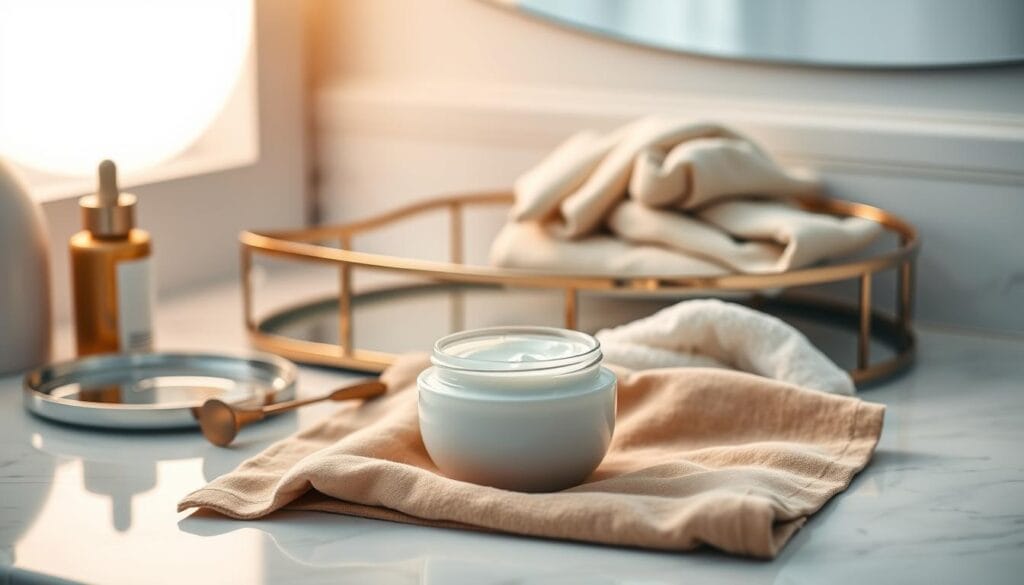
Cleanse, mist or essence, serum, then moisturizer.
Begin with a gentle cleanse to remove makeup and sunscreen. I like creamy gels from CeraVe or La Roche-Posay. They keep skin soft, not dry.
While skin is still damp, apply a mist or essence. This helps humectants grab water. Next, use a serum like hyaluronic acid for moisture, peptides for firmness, or niacinamide for tone.
Finally, apply your hydrating night cream. Gels are good for warm weather, while creams are better for dry skin. They help keep water in overnight.
Slugging and occlusives: when and how to use
If your skin is very dry, add an occlusive layer last. Use a small amount of petrolatum, Aquaphor, or ceramide balm. This helps keep water in, especially on dry cheeks or around the nose.
Save full-face slugging for very cold, dry places or for dry patches. On combination skin, only apply it where needed to avoid feeling heavy.
Timing with retinol, acids, and prescription treatments
Use retinoids like retinol or adapalene on alternate nights to reduce irritation. If new, apply a light moisturizer first, then your retinoid, and finish with a moisturizing night cream.
Don’t mix AHAs or BHAs with retinoids if you’re sensitive. Alternate nights to keep your skin happy. Prescription tretinoin works best with a richer cream to protect against dryness.
| Step | What to Use | Why It Matters | Pro Tip |
|---|---|---|---|
| Cleanse | Gentle gel or cream cleanser | Removes SPF and makeup without stripping | Massage for 45 seconds; rinse with lukewarm water |
| Hydrate | Mist or essence | Prime the skin so humectants bind water | Apply on damp skin for best slip |
| Treat | Serum (HA, peptides, niacinamide) | Targets bounce, firmness, and tone | Wait 30–60 seconds before sealing |
| Seal | Hydrating night cream or moisturizing night cream | Locks in moisture and smooths texture | Choose gel for a light feel; cream for comfort |
| Optional | Occlusive (petrolatum/balm) | Minimizes overnight water loss | Spot-slug dry zones; avoid the T‑zone if oily |
| Active Nights | Retinoid or acids (separate schedules) | Supports renewal with less irritation | Buffer retinoids; alternate AHA/BHA nights |
Moisturizing Night Cream vs Hydrating Face Cream: What’s the Difference
Labels can confuse us when our skin is mixed. Hydrating face creams add water, while moisturizing night creams make skin soft and sealed. The best choice often combines both for smooth, full skin.
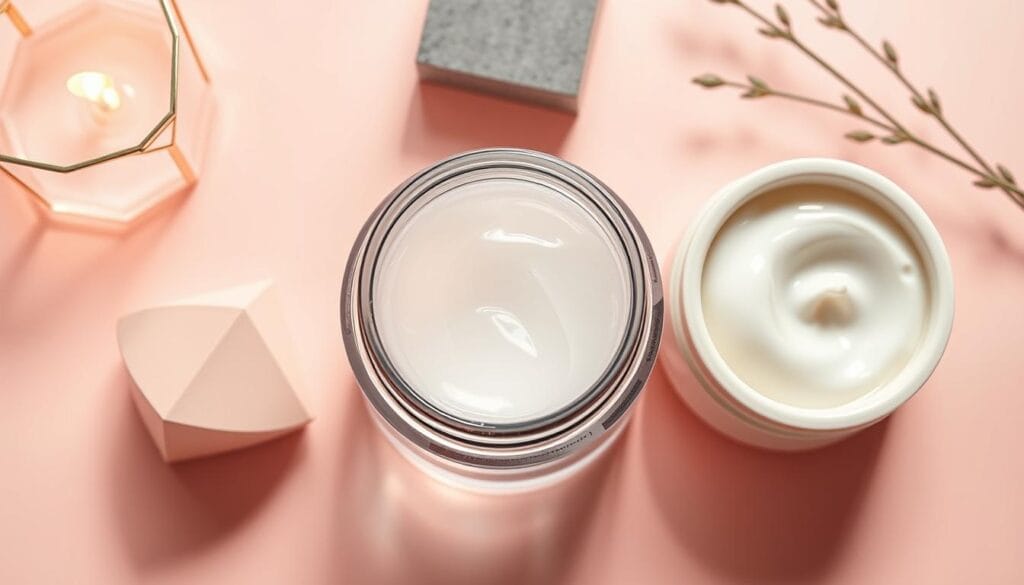
Hydration vs moisturization explained.
Hydration adds water to the skin. Ingredients like hyaluronic acid and glycerin do this. Moisturization, on the other hand, keeps that water in. Ingredients like squalane and shea butter do this.
A hydrating face cream uses humectants for a dewy look. A moisturizing night cream uses emollients to prevent water loss. Many products combine both for better results.
Choosing based on current skin needs
Start with how your face feels tonight. If it’s tight, try a product with hyaluronic acid and ceramides. This mix is great for dry air or indoor heat.
If you feel greasy but still dry, use a light gel. Then, add a little emollient where needed. This keeps pores open and stops flakes.
Hybrid formulas that deliver both
Hybrid textures are both gel and cream. They are fluid, cushiony, and absorb quickly. Look for products with multi-weight HA, ceramides, and squalane.
When unsure, adjust. Hormones, retinoids, and weather change your skin’s needs. The best night cream is one that adapts to your skin’s changes.
Dermatologist-Backed Tips to Choose the Best Hydrating Night Cream
Choose a night cream that works while you sleep. Look for smart ingredients and a gentle feel. Check the labels, feel the texture, and pick one that fits your skin’s current needs.

Pro tip: Keep a simple skin journal. Track how your face reacts to weather, stress, and cycle changes. It helps you find the right hydrating night cream without guessing.
Reading ingredient lists and concentrations
Start from the top of the list. Ingredients listed first are used more. Look for glycerin and hyaluronic acid for water binding. Ceramides and cholesterol strengthen the barrier. Panthenol and allantoin calm redness.
Be cautious of fragrance at the top, especially for sensitive skin. Opt for short, focused formulas. Compare labels to find actives early on.
Non-comedogenic, allergy-tested, and pH considerations
“Non-comedogenic” is a guide, not a promise. Patch test on your jaw for three nights if you clog easily. Allergy-tested and fragrance-free options are safer for sensitive skin.
Choose a pH between 4.5 and 6 to support your skin’s acid mantle. Avoid overly alkaline creams that can make your skin tight and reactive. If using tretinoin or benzoyl peroxide, apply your night cream first, then the active, or sandwich as needed.
Adjusting by season and hormonal changes
Change your cream with the seasons. Use gels or gel-creams in spring and summer for breathability. In fall and winter, choose richer creams to lock in moisture.
Hormonal changes affect oil flow and sensitivity. Lighten textures during shiny periods or switch to ceramide-rich creams when dry. Match your cream to your current skin, not a fixed routine.
- Warm months: hydrating night cream in gel form to offset humidity.
- Cold months: cream textures to cushion the barrier.
- Breakout-prone weeks: simple, fragrance-free formulas; patch test first.
When labels match your needs and timing, a hydrating night cream becomes a reliable ally. It soothes and supports your skin’s rhythm.
Top Mistakes to Avoid with Night Creams
Don’t over-exfoliate before using a hydrating night cream. This can cause redness and tight skin. Stick to exfoliating a few nights a week. Let your moisturizer repair your skin.
If your skin feels hot or looks shiny, stop using strong acids. Use products that help repair your skin’s barrier instead.
Fragrances and essential oils are lovely in candles, but not on your face at night. If you have sensitive skin, choose a fragrance-free night cream. Natural oils like lavender or citrus can irritate sensitive skin.
Don’t follow every skincare trend blindly. Choose a night cream that fits your skin type and climate. In humid weather, a gel cream keeps your skin fresh. In dry air, a richer cream is better.
Always do a patch test before using a new night cream. Apply it to your jawline for a few nights. This helps avoid any unexpected reactions.
Use enough night cream. A small amount is usually enough for your face and neck. Using too little can leave your skin unprotected.
Apply humectant-rich gels to damp skin. Ingredients like hyaluronic acid and glycerin need something to hold onto. Apply after cleansing or a light mist, then seal with a night cream if needed.
Be cautious with slugging in humid weather. Thick occlusives can trap sweat and clog pores. Use lighter products in warm weather.
Don’t mix too many active ingredients at once. This can cause peeling and breakouts. Stick to one or two treatments a night and let a hydrating night cream help your skin recover.
Stay consistent for at least two weeks before judging results. Change one thing at a time to see what works best for you.
Conclusion
Your skin tells you what it needs. If you prefer light, airy textures or live in a humid area, a gel night cream is perfect. But if your skin feels tight or dry, a cream offers deep comfort and support.
You can mix and match, too. Start with a gel, then add a thin cream or occlusive for extra moisture. This way, you get the best of both worlds.
Look for hyaluronic acid and glycerin in your night cream. They help keep your skin hydrated. Ceramides and cholesterol strengthen your skin’s barrier, making it calm and strong.
If you like natural ingredients, try a cream with squalane, shea butter, or rosehip. Just be careful of fragrances or essential oils that might irritate your skin.
Remember, your climate and lifestyle affect your skin care needs. Gels are great for hot, humid days, while creams are better for cold, dry air. If you use products that exfoliate or contain retinoids, add a hydrating layer to prevent dryness.
Choosing the right night cream is all about listening to your skin and environment. Keep your routine simple and your ingredients purposeful. With the right hydrating night cream, you’ll wake up to soft, strong, and beautiful skin.